Why Summer Storms in Broomfield Make Gutter Cleaning Non-Negotiable
Broomfield’s summer storms hit fast and hard, dumping heavy rain in minutes. Without clean gutters, that water has nowhere to go but into your home’s foundation, walls, or basement. We’ve seen firsthand how neglected systems fail under the Front Range’s unpredictable weather.
How Summer Storms Overwhelm Clogged Gutters
The Front Range’s microbursts can drop an inch of rain in 30 minutes. Clogged gutters can’t handle that volume, leading to overflow that erodes landscaping and compromises your home’s exterior.
Debris like cottonwood seeds, pine needles, and roof grit build up fast here. Even partial blockages force water to pool, accelerating rust in aluminum gutters or warping in vinyl systems.
The Domino Effect of Poor Drainage
Overflowing gutters don’t just create puddles. Water cascading down fascia boards rots wood, while consistent drips along the foundation can crack basements over time.
In neighborhoods like Anthem or the Broadlands, improper drainage also leads to driveway and patio damage. We often see downspouts disconnected or too short, dumping water right where it causes the most harm.
Poor gutter drainage is a leading cause of foundation cracks in Broomfield homes. Water pooling near the base expands and contracts with temperature swings, weakening concrete.
Gutter Materials and Storm Resilience
Not all gutters handle Colorado’s hail and wind equally. Aluminum is lightweight and resists rust but can dent under golf-ball-sized hail. Copper lasts decades but requires professional installation to avoid leaks.
Seamless gutters reduce clog points but still need regular cleaning. Vinyl is budget-friendly but becomes brittle in our UV-intense climate, making it a poor long-term choice for storm-prone areas.
| Material | Durability | Storm Resistance | Maintenance Needs |
|---|---|---|---|
| Aluminum | 15-20 years | Good (dents possible) | Low; periodic resealing |
| Copper | 50+ years | Excellent | Low; patina develops over time |
| Vinyl | 10-15 years | Poor (brittle in cold) | Moderate; prone to cracks |
| Steel | 20-25 years | Very Good | High; rust risk if not galvanized |
Signs Your Gutters Aren’t Storm-Ready
Sagging sections, peeling paint on fascia, or water stains beneath downspouts are red flags. These issues often start small but worsen quickly under repeated storm stress.
Listen for the sound of dripping or rushing water during rain. If you hear it inside your home, your gutters are likely failing to direct water away properly.
Storm-Ready Gutter Checklist
- No visible sagging or separation from the roof
- Downspouts securely attached and extending 5+ feet from the foundation
- No rust, cracks, or peeling sealant at seams
- Water flows freely through gutters and downspouts during rain
Why DIY Cleaning Falls Short in Broomfield
Ladder work on two-story homes is risky, especially on uneven driveways common in older neighborhoods. Plus, most homeowners miss the hidden buildup in downspout elbows or underground drains.
We use high-pressure flushing and specialized tools to clear debris from the entire system, including hard-to-reach areas. Safety and thoroughness matter when storms can strike with little warning.
Always check gutters after hailstorms. Dents and punctures may not be visible from the ground but can lead to leaks during the next rain.
Long-Term Solutions: Guards, Repairs, and Upgrades
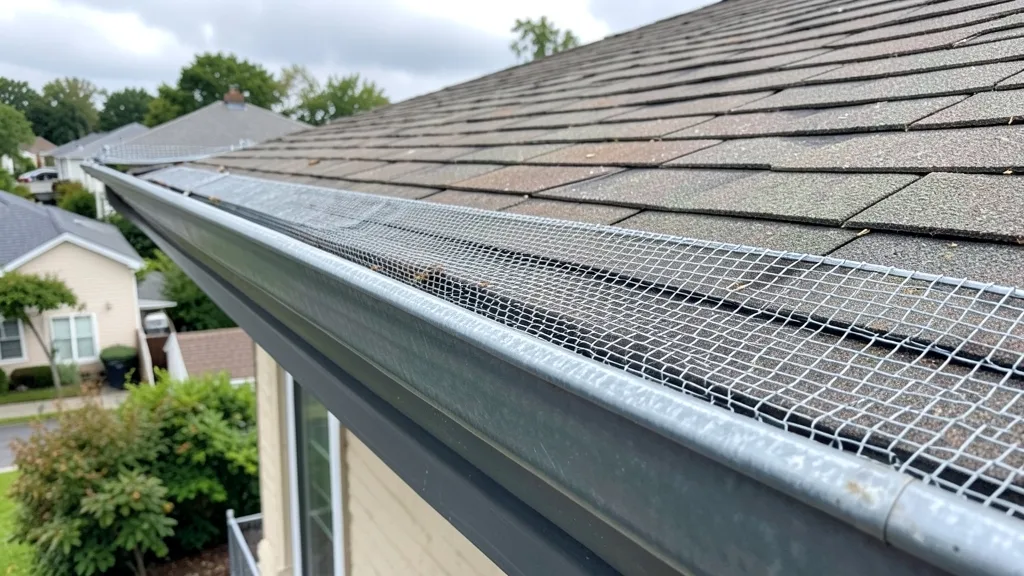
Gutter guards reduce debris buildup but aren’t maintenance-free. Mesh screens work well for pine needles, while reverse-curve systems shed leaves but can struggle with small particles like roof grit.
For homes in Westminster or Louisville with mature trees, we often recommend a combination of guards and twice-yearly cleanings. Resealing and resloping may also be needed if gutters are old or improperly pitched.
The Cost of Waiting Until After the Storm
Emergency gutter repairs after storm damage are always more expensive than preventive cleaning. Water intrusion can lead to mold, structural repairs, or even insurance claims if flooding occurs.
Factors affecting gutter cleaning costs include home height, roof complexity, and debris volume. Request a quote to understand your system’s needs before the next storm hits.
How to Inspect Your Gutters Before Storm Season
A quick inspection can reveal problems before they escalate.
- 1Safety First
Use a sturdy ladder on level ground, or inspect from the ground with binoculars. Never lean a ladder against gutters—they may not support your weight.
- 2Check for Visible Damage
Look for sagging, rust, cracks, or separated seams. Pay attention to areas under trees or near roof valleys, where debris accumulates fastest.
- 3Test Water Flow
Run a hose into the gutters to see if water flows freely. If it pools or overflows, there’s likely a clog or pitch issue.
- 4Inspect Downspouts
Ensure downspouts are securely attached and direct water at least 5 feet away from the foundation. Use a plumber’s snake to clear any blockages.
- 5Look for Signs of Overflow
Check for erosion or water stains on siding, fascia, or the ground below. These indicate past or ongoing drainage problems.
Frequently Asked Questions
How often should I clean my gutters in Broomfield?
We recommend cleaning at least twice a year—once in late spring and again in early fall. Homes near open spaces or with many trees may need more frequent attention, especially before summer storm season.
Can gutter guards eliminate the need for cleaning?
No system is 100% maintenance-free. Guards reduce debris buildup but still require occasional cleaning, especially in areas with fine particles like pollen or roof grit. They also don’t prevent clogs in downspouts.
What’s the most common gutter problem you see in Broomfield homes?
Clogged downspouts are the biggest culprit. Many homeowners clean the gutters but forget the downspouts, leading to overflow during heavy rains. Improper slope is another frequent issue, causing water to pool instead of draining.
Do I need to clean my gutters if I have a new roof?
Yes. New roofs can still shed debris like asphalt granules or construction materials. Additionally, nearby trees or wind-blown leaves can clog even the newest gutters. Regular maintenance protects your roof’s warranty and longevity.
How do Broomfield’s summer storms differ from other areas?
The Front Range’s storms are intense but brief, often dumping heavy rain in short bursts. This puts immense pressure on gutters, which must handle sudden, high-volume flows. Hail and wind can also damage gutters, making them less effective over time.
Should I be concerned about ice dams in Broomfield?
While less common than in higher elevations, ice dams can still form during cold snaps, especially in shaded areas. Properly sloped and clean gutters help prevent ice buildup by ensuring water drains away before freezing.