Pine Needles and Cottonwood Fluff: Broomfield’s Unique Gutter Cloggers
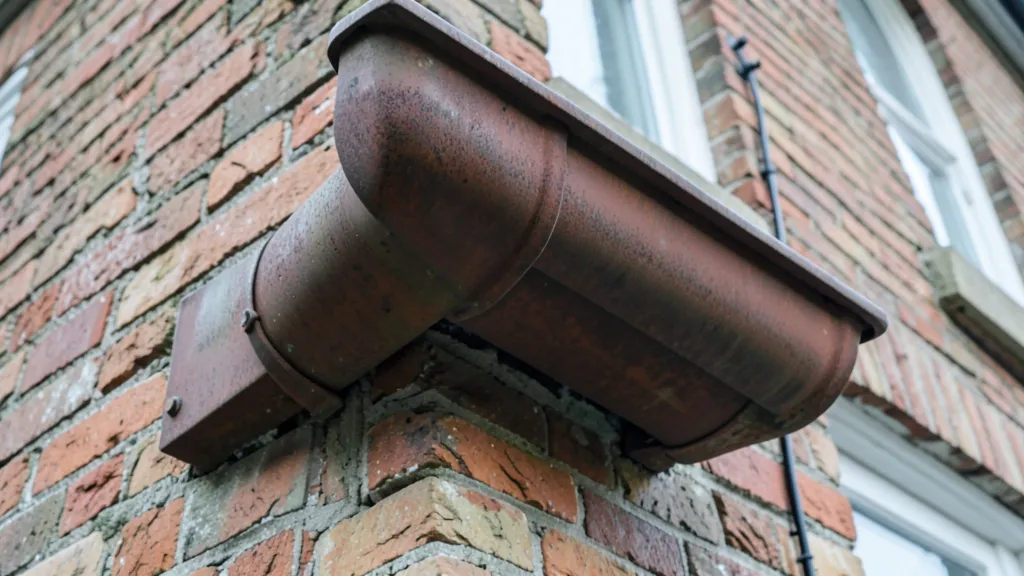
Broomfield’s mix of pine forests and open plains means gutters here face a double threat: stubborn pine needles and fluffy cottonwood seeds. These aren’t just annoyances—they’re the top causes of clogs that lead to overflow, fascia rot, and even foundation issues if ignored.
Why Pine Needles Are a Gutter’s Worst Enemy
Pine needles don’t just sit on top—they wedge into downspouts and gutter seams, creating dense mats that trap moisture. Unlike leaves, they don’t break down quickly, so they accumulate season after season.
Their waxy coating repels water, which means clogs form *under* the needles, where you can’t see them. This hidden buildup accelerates rust and corrosion in metal gutters, especially in older homes near Westminster or Superior.
The Cottonwood Fluff Problem No One Talks About
Every spring, cottonwood trees release clouds of fluff that stick to *everything*—including your gutters. It’s light, so it blows into every nook, but once wet, it turns into a gluey, papery paste that clogs downspout screens fast.
Because it’s so fine, it slips through standard gutter guards, requiring more frequent cleanings. We see this a lot in neighborhoods near open spaces and creeks, where cottonwoods thrive.
Cottonwood fluff holds moisture against wood fascia and soffits, speeding up rot. If you spot peeling paint or sagging gutters, it’s often too late—inspect early.
Pine Needles vs. Cottonwood Fluff: How They Clog Differently
Each debris type demands a different cleaning approach. Pine needles require tools that can dislodge compacted layers, while cottonwood fluff often needs a high-pressure flush to clear the fine, sticky residue.
| Debris Type | Clog Location | Seasonal Peak | Cleaning Challenge |
|---|---|---|---|
| Pine Needles | Downspouts, seams, corners | Fall to Spring | Dense, interlocked mats |
| Cottonwood Fluff | Entire gutter run, screens | Late Spring | Sticky when wet, fine particles |
| Combined Buildup | Everywhere | Year-round | Layered, requires multi-step cleaning |
The Domino Effect of Ignored Clogs in Broomfield
Clogged gutters don’t just cause overflow—they create a chain reaction. Water pools, freezes, and expands, warping gutters and pulling them away from the fascia. In winter, this leads to ice dams that damage roofs and attics.
In summer, standing water becomes a breeding ground for mosquitoes, a growing concern in areas like Louisville and Lafayette. Overflow also erodes landscaping and can crack driveways over time.
After heavy storms or wind events, check for granules in gutters—it’s a sign your roof shingles are deteriorating. Pair gutter cleaning with a roof inspection to catch issues early.
Gutter Guards: Do They Stop Pine Needles and Fluff?
Standard mesh guards often fail against pine needles—they either sit on top and create a new clog or slip through the gaps. Micro-mesh screens work better but can still get overwhelmed by cottonwood fluff’s fine texture.
For Broomfield homes, we recommend reverse-curve or surface-tension guards for pine needles, paired with downspout strainers to catch fluff. No system is 100% maintenance-free, but the right setup cuts cleaning frequency by half.
Signs Your Gutters Are Losing the Battle to Local Debris
Overflow during rain is the most obvious sign, but others are subtler. Look for sagging sections, rust streaks, or gutters pulling away from the roof line—these indicate long-term clogs and water damage.
In Broomfield’s dry climate, you might also notice dusty, caked-on residue inside gutters. That’s a mix of fluff, needles, and dirt, and it’s heavier than it looks.
Red Flags for Gutter Clogs
- Water spilling over gutter edges during rain
- Visible sagging or separation from the roof
- Rust or peeling paint on gutters or fascia
- Birds or pests nesting in gutters (a sign of long-standing debris)
- Downspouts that don’t drain or gurgle when it rains
Why DIY Cleaning Often Falls Short Here
Ladders and leaf blowers work for light debris, but Broomfield’s pine needles and fluff demand more. Needles require manual removal or specialized vacuums to avoid damaging gutters. Fluff sticks to wet surfaces, so it often needs scraping and flushing.
There’s also the safety factor: Colorado’s unpredictable weather means slippery roofs and gusty winds. Plus, improper cleaning can dislodge downspouts or damage gutter seals, leading to costly repairs.
How Often Should Broomfield Homes Get Gutter Cleaning?
Most homes need cleaning twice a year—once in spring after cottonwood season and once in fall after pine needles drop. But if you’re near dense tree cover or open fields, you may need quarterly service.
Commercial properties and larger homes in areas like Thornton or Westminster often require more frequent attention due to sheer gutter length and debris volume.
How to Check Your Gutters for Pine Needle and Fluff Clogs
A quick visual inspection can reveal hidden problems before they escalate.
- 1Safety First
Use a sturdy ladder on level ground, and have a spotter if possible. Never lean the ladder against the gutter itself—it can bend or detach.
- 2Ground-Level Scan
Walk around your home and look for overflow marks, sagging, or plants growing in gutters. These are clear signs of clogs.
- 3Check Downspouts
Tap the downspout with a tool—if it sounds hollow, it’s clear. A dull thud means a clog. Also look for water stains or debris at the base.
- 4Inspect the Roof Line
From the ground, use binoculars to spot piles of needles or fluff on the roof or in gutter valleys. Pay extra attention to corners and near tree overhangs.
- 5Test with a Hose
If safe, run a hose into the gutter. If water doesn’t flow freely to the downspout, you’ve got a clog. Stop immediately to avoid overflow damage.
Frequently Asked Questions
Do pine needles cause more damage than other debris in Broomfield?
Yes. Their waxy, non-biodegradable nature means they create long-lasting clogs that trap moisture against your roof and fascia. This accelerates rot and rust, especially in older gutters.
Can I just blow cottonwood fluff out of my gutters?
Not effectively. Fluff is light when dry but turns sticky when damp, clinging to gutter walls. A leaf blower might move some, but it often just redistributes the debris or packs it into downspouts.
Are there gutter guards that work for both pine needles and cottonwood fluff?
Micro-mesh guards are the best defense, but even these can clog with heavy fluff. We often pair them with downspout strainers and recommend semi-annual inspections to clear fine debris.
How do I know if my downspouts are clogged with pine needles?
If water overflows from the top of the downspout or drips from the seams during rain, it’s likely clogged. You can also check for needle buildup at the downspout entrance or a lack of water exiting the bottom.
Is gutter cleaning more urgent in Broomfield than in other areas?
Yes, because of our unique mix of pine forests and cottonwood trees. The combination of fine fluff and stubborn needles creates clogs faster than in areas with only one type of debris. Regular cleaning prevents costly damage to roofs, foundations, and landscaping.
What’s the best time of year to clean gutters in Broomfield?
Late spring (after cottonwood season) and late fall (after pine needles drop) are ideal. But if you notice overflow or sagging, don’t wait—schedule a cleaning or request a quote to assess the damage.