A Local’s Checklist for Gutter Maintenance in Broomfield
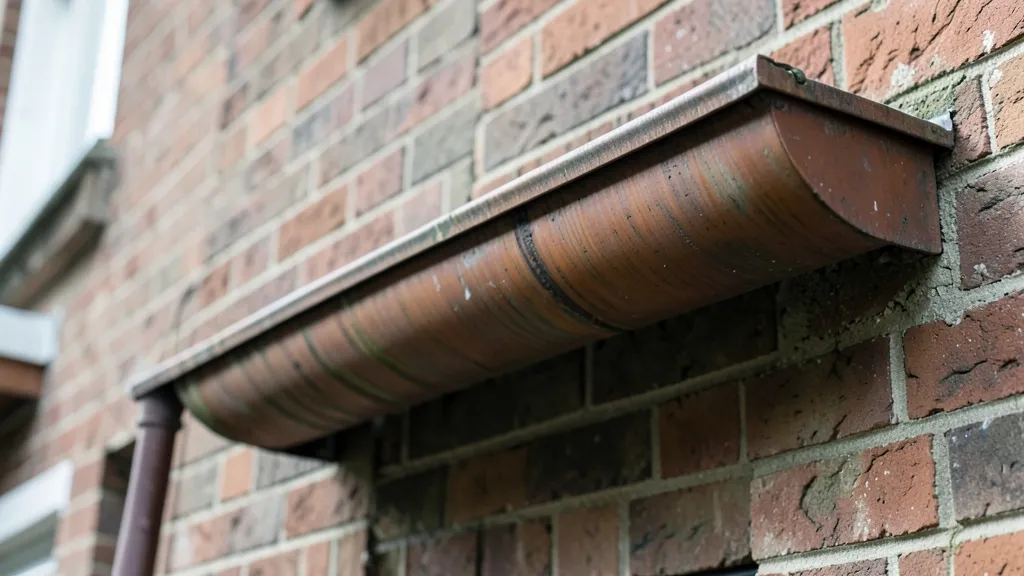
Broomfield’s Front Range climate demands gutters that can handle hail, heavy snowmelt, and sudden downpours. Without regular upkeep, clogs and damage lead to costly roof or foundation issues. We’ve built this checklist from years of local experience to keep your system flowing smoothly, season after season.
Why Broomfield Gutters Need Extra Attention
Our semi-arid climate fools many homeowners—until a summer thunderstorm or spring snowmelt hits. Gutters here must manage rapid temperature swings, hail, and cottonwood seeds that clog downspouts fast.
Poor drainage doesn’t just risk roof leaks. It erodes landscaping, cracks driveways, and even undermines foundations. In neighborhoods like Anthem or the Flatirons, proper slope and downspout placement are non-negotiable.
Freeze-thaw cycles in winter create ice dams that back up under shingles. Proper gutter heating cables and insulation help, but only if gutters are clean and debris-free first.
Signs Your Gutters Are Begging for Maintenance
Overflowing water during rain is the most obvious red flag. If water spills over the sides, your gutters are clogged or improperly pitched.
Sagging sections, rust spots, or peeling paint on fascia boards signal trapped moisture. In older Broomfield homes, these are often early warnings of hidden damage.
Downspouts that spit water directly against the house or pool at the base need extension or re-routing. This is a common issue in Westminster and Louisville homes with tight lot lines.
Seasonal Gutter Maintenance Timeline for Colorado
Spring: Clear winter debris, check for ice damage, and test downspouts. This is prime time for gutter repair before the rainy season.
Summer: Inspect after hailstorms—dents and misaligned sections reduce capacity. Also, trim overhanging branches to limit leaf buildup.
Fall: The most critical season. Cottonwood and maple leaves clog gutters fast. Schedule a cleaning before the first freeze.
Winter: After heavy snow, safely remove buildup from gutters to prevent ice dams. Avoid walking on icy roofs—leave this to pros.
| Season | Key Task | Why It Matters |
|---|---|---|
| Spring | Post-winter inspection & cleaning | Prevents clogs from melting snow and spring rains |
| Summer | Hail damage check & tree trimming | Maintains capacity for monsoon downpours |
| Fall | Full cleaning & downspout test | Avoids freeze-up and ice dams |
| Winter | Snow removal & ice dam prevention | Protects roof and foundation from meltwater |
DIY vs. Professional Gutter Cleaning: What’s Realistic?
A single-story ranch with easy roof access? DIY cleaning is doable with a sturdy ladder, gloves, and a gutter scoop. But most Broomfield homes have steep pitches or multi-level designs that make it risky.
Professionals bring safety gear, high-reach tools, and the ability to spot early issues like loose hangers or failing seals. We also handle downspout cleaning and minor repairs on the spot.
For commercial properties or large homes in Superior or Thornton, professional service isn’t just safer—it’s more cost-effective long-term.
If you DIY, use a ladder stabilizer and never lean it against the gutters themselves. Most injuries happen when ladders slip or gutters give way.
Gutter Guards: Worth It in Broomfield?
Micromesh and reverse-curve guards work well against pine needles and cottonwood fluff. But no guard is 100% maintenance-free—some debris still accumulates on top.
In areas with heavy tree cover, like parts of Lafayette or Broomfield’s older neighborhoods, guards can reduce cleaning frequency from twice a year to once every 18–24 months.
Avoid cheap plastic screens. They warp in our UV-intense climate and can trap debris against the roof. Aluminum or stainless steel guards last longer and handle hail better.
Common Gutter Problems We See in Broomfield Homes
Improper slope is a big one. Gutters should drop ¼ inch for every 10 feet toward the downspout. Many older homes were installed with flat or backward slopes.
Leaky seams and end caps often stem from thermal expansion. Sealing with high-grade silicone or resealing with butyl tape extends life, but seamless gutters eliminate the issue entirely.
Downspouts that are too short or lack extensions dump water right at the foundation. In clay-heavy soils common here, this leads to cracking and settlement.
When to Call for Gutter Repair or Replacement
If you see rust holes, widespread sagging, or gutters pulling away from the fascia, patching won’t cut it. Full replacement may be needed, especially for older steel gutters.
Recurring clogs despite cleanings often mean improper sizing or pitch. We’ve resolved this for many homes in Broomfield by resloping or upgrading to 6-inch K-style gutters.
After major hail, inspect for dents that block flow. Even small dimples can create turbulence that slows drainage.
Time to Replace Your Gutters If:
- Multiple sections are rusted through or cracked
- Gutters sag or pull away from the roof line
- You’re experiencing frequent overflows despite cleanings
- Seams fail repeatedly after resealing
How to Inspect Your Gutters Like a Pro
A thorough inspection takes 10 minutes and can save thousands in repairs.
- 1Check for Visible Damage
Walk the perimeter of your home. Look for sagging, rust, or peeling paint on the gutters and fascia. Note any sections pulling away from the roof.
- 2Test the Slope
Use a level or observe water flow during rain. Gutters should tilt slightly toward downspouts. Flat sections need adjustment.
- 3Inspect Downspouts and Extensions
Ensure downspouts are securely attached and direct water at least 5–6 feet from the foundation. Check for clogs by running a hose through them.
- 4Look for Water Stains or Erosion
Stains on siding or erosion at the base of downspouts indicate overflow or improper drainage. These are red flags for clogs or sizing issues.
- 5Examine Seams and End Caps
Press gently on seams and end caps. If they flex or leak, they need resealing. Butyl tape or silicone caulk works for temporary fixes.
Frequently Asked Questions
How often should I clean my gutters in Broomfield?
Most homes need cleaning twice a year—once in late spring and again in fall. If you have pine trees or cottonwoods nearby, consider a mid-summer check as well. Heavy tree cover may require quarterly service.
Do gutter guards eliminate the need for cleaning?
No. Guards reduce debris buildup but don’t stop it entirely. Fine particles like pollen or roof grit still accumulate and need occasional removal. We recommend annual inspections even with guards.
What’s a good gutter material for Colorado’s climate?
Aluminum is a popular choice—it’s lightweight, rust-proof, and handles hail better than vinyl. Steel is durable but can rust if scratched, and copper is premium but costly. For most Broomfield homes, .032-gauge aluminum offers a strong balance.
Can clogged gutters cause roof leaks?
Absolutely. Water backing up from clogged gutters seeps under shingles, damaging the roof deck and leading to leaks. In winter, this contributes to ice dams, which are a major cause of interior water damage.
How do I know if my downspouts are clogged?
Run a garden hose into the downspout. If water doesn’t flow freely out the bottom—or if it backs up—there’s a clog. You can try flushing it with a hose or using a plumber’s snake, but stubborn clogs often require professional tools.
Is gutter maintenance different for commercial properties in Broomfield?
Yes. Commercial buildings often have larger roof areas and more complex drainage systems. They may require more frequent cleanings, especially if surrounded by trees. Downspout capacity and proper slope are critical to prevent overflow during heavy rains.