How to Test Your Gutters for Proper Water Flow in Broomfield
Proper water flow in your gutters isn’t just about keeping them clean—it’s about protecting your home from costly damage. In Broomfield’s unpredictable climate, even a slight misalignment or clog can lead to overflow, ice dams, or foundation issues. We’ll show you how to test your system like a pro, so you can catch problems before they escalate.
Why Water Flow Testing Matters in Our Climate
Broomfield’s dry summers and sudden downpours put gutters to the test. Poor flow can cause water to pool, freeze in winter, or erode landscaping. Even a small blockage can redirect thousands of gallons of roof runoff right next to your foundation.
Unlike drier areas to the west, our Front Range storms drop heavy, fast rain. Gutters must channel that volume quickly—or risk overflow that damages siding, fascia, or basements.
In winter, clogged gutters contribute to ice dams that force water under shingles. Testing flow before cold snaps prevents this costly issue.
Tools You’ll Need for a Thorough Test
Grab a garden hose with a spray nozzle, a ladder (or extension pole), gloves, and a bucket. A plumber’s snake or gutter scoop helps clear minor clogs during testing. For safety, always have a spotter when using a ladder.
A flashlight or phone light is essential for inspecting downspouts and hidden corners. If you’re checking slope, a level or string line can confirm proper pitch.
Step-by-Step: Testing Gutter Slope and Alignment
Start at the downspout end. Gutters should slope *toward* the downspout at a rate of about 1/4 inch per 10 feet. Use a level to check—if the bubble sits center, the slope is off.
Look for sagging sections, which often indicate loose hangers or debris buildup. Even a 1-inch dip can disrupt flow and create standing water.
| Gutter Length | Recommended Slope | Notes |
|---|---|---|
| Up to 20 ft | 1/4" per 10 ft | Standard for most homes |
| 20-40 ft | 1/2" per 10 ft | Ensures faster drainage |
| 40+ ft or heavy rainfall areas | 3/4" per 10 ft | Prevents overflow in storms |
How to Check for Clogs and Blockages
Run water from your hose at the farthest end from the downspout. If water pools or spills over, there’s a clog. Work your way toward the downspout to locate it.
For downspouts, feed the hose down the top. If water backs up, the clog is likely at the elbow or base. Use a plumber’s snake or high-pressure nozzle to clear it.
Avoid testing during or right after rain—debris can mask clogs, and wet conditions make ladders unsafe.
Downspout Drainage: The Often-Overlooked Culprit
Even clean gutters fail if downspouts don’t discharge water far enough away. Use a hose to simulate heavy rain and watch where water exits. It should flow at least 3–4 feet from your foundation.
In Broomfield, downspout extensions or splash blocks are critical. Without them, water can erode soil near the base, leading to cracks or basement leaks.
Signs Your Gutters Aren’t Flowing Right
Look for water stains on siding or fascia, rust spots, or peeling paint—these indicate chronic overflow. In winter, icicles forming along the gutter line often signal poor drainage.
Erosion or washout at the downspout’s exit point means water isn’t being directed away properly. Check for puddles near your home’s perimeter after storms.
Red Flags of Poor Gutter Flow
- Water spilling over gutter edges during rain
- Sagging or pulling away from the roof
- Standing water in gutters 24+ hours after rain
- Downspouts discharging next to the foundation
- Visible rust, corrosion, or plant growth in gutters
When to Call in the Pros
If your gutters are two stories high, or you’re uncomfortable on a ladder, leave it to us. We have the equipment and experience to safely inspect and test systems in Westminster, Louisville, and Superior too.
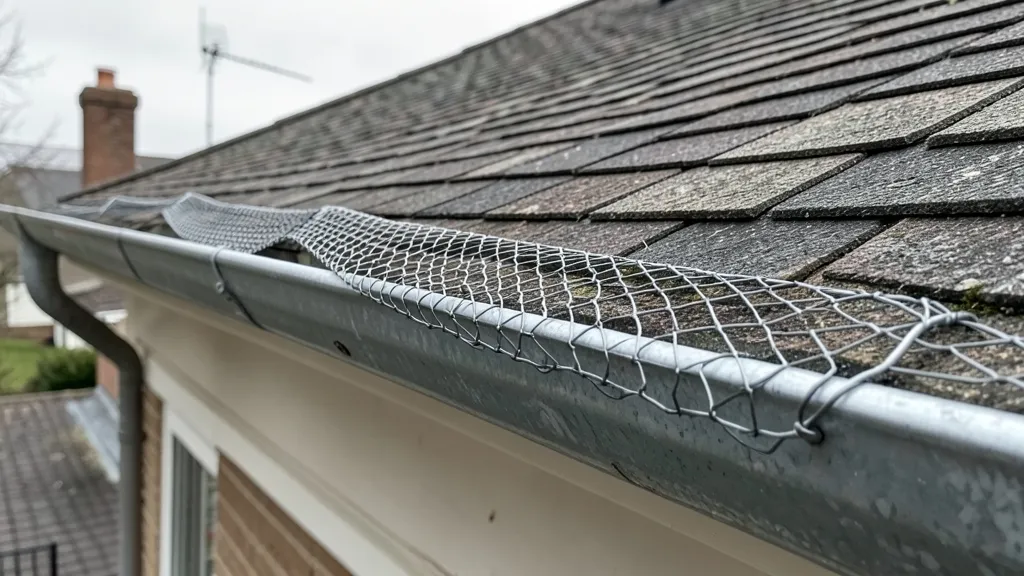
Persistent clogs, misaligned sections, or leaks often require gutter repair or resealing. In some cases, gutter guard installation can prevent future issues—especially in areas with heavy tree cover.
A visual test from the ground catches obvious problems, but a hands-on inspection reveals hidden issues like loose hangers or internal corrosion.
Maintenance Tips to Keep Water Flowing Smoothly
Clean gutters at least twice a year—more if you have overhanging trees. In Broomfield, fall is critical for removing leaves before winter freezes set in.
After cleaning, run a hose test to confirm proper flow. Check downspouts for nests or debris. Consider installing screens or guards if clogs are frequent.
How to Perform a Gutter Flow Test
This simple process helps you identify flow issues before they cause damage.
- 1Clear Debris First
Remove leaves, twigs, and sediment from gutters and downspouts. Use a gutter scoop or gloved hands for stubborn buildup.
- 2Check Slope and Alignment
Use a level to verify gutters slope toward downspouts. Adjust hangers if sections sag or appear misaligned.
- 3Test with a Hose
Starting at the far end, run water through the gutter. It should flow smoothly to the downspout without pooling or spilling.
- 4Inspect Downspout Drainage
Ensure water exits the downspout at least 3–4 feet from your foundation. Add extensions or splash blocks if needed.
- 5Look for Leaks or Overflow
Watch for drips at seams or corners. If water overflows, recheck for clogs or improper slope.
Frequently Asked Questions
How often should I test my gutters in Broomfield?
Test your gutters at least twice a year—once in spring and once in fall. After major storms or if you notice overflow, run an additional test. Our climate’s temperature swings can accelerate wear, so proactive checks are key.
Can I test gutters from the ground?
You can spot some issues from the ground, like sagging or overflow during rain. However, a thorough test requires climbing a ladder to check slope, clogs, and downspout flow. For safety, consider hiring a pro for tall or hard-to-reach gutters.
What’s the most common cause of poor gutter flow?
Clogs from leaves, pine needles, and debris are the top culprit. Even small blockages can disrupt flow, especially in K-style gutters common in Broomfield homes. Regular cleaning and gutter guards can prevent this.
Do gutter guards eliminate the need for testing?
No. Gutter guards reduce debris buildup but don’t eliminate the need for testing. They can still clog, and slope or alignment issues persist. We recommend annual inspections even with guards installed.
How do I know if my gutters need resealing?
If you see water dripping at the seams or corners during your test, the sealant may have failed. Resealing is a quick fix, but if rust or corrosion is present, gutter repair or replacement might be necessary.
Are there specific gutter problems in Broomfield’s neighborhoods?
Older homes in Westminster or Lafayette often have undersized gutters for modern rainfall volumes. In Superior and Thornton, new builds may lack proper downspout extensions, leading to erosion. A local inspection can address these area-specific issues.