DIY vs. Professional Gutter Repair: What Broomfield Homeowners Need to Know
Gutter repair isn’t just about fixing leaks—it’s about protecting your home’s foundation, siding, and landscaping from Broomfield’s unpredictable weather. Whether you’re handy with tools or prefer to leave it to the pros, knowing the differences in approach, safety, and long-term results is critical.
Why Gutter Repair Matters in Our Climate
Broomfield’s Front Range location means rapid weather shifts—hail, heavy rain, and even microbursts can stress gutters in minutes. A single compromised section can lead to water pooling near your foundation or cascading over fascia boards.
Winter brings freeze-thaw cycles that weaken seals and joints. Without proper repair, ice dams can form, forcing water under shingles and into your home. Proactive fixes prevent costly roof and interior damage.
Common Gutter Problems We See Daily
Sagging gutters often stem from improper slope or failing hangers. Left unchecked, they pull away from the fascia, risking structural damage to your roof line.
Leaks at seams or end caps usually trace back to dried-out sealant or corrosion. Even small drips can erode soil and create basement moisture issues over time.
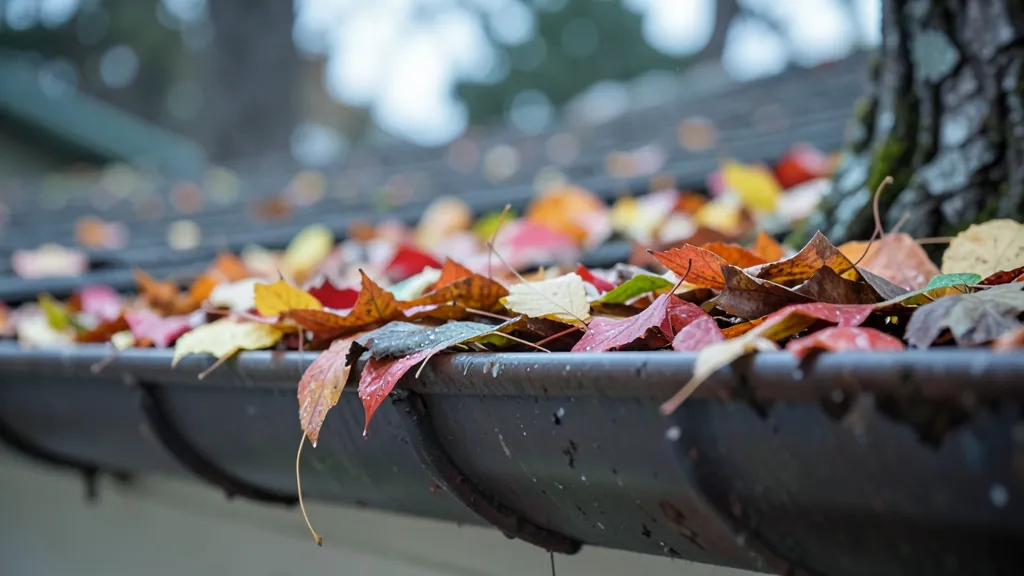
Clogged downspouts from cottonwood seeds or pine needles force water to overflow, damaging siding and window wells. Regular cleaning pairs with repair to keep systems flowing.
| Problem | Likely Cause | Repair Complexity |
|---|---|---|
| Sagging sections | Failed hangers or incorrect pitch | Moderate |
| Leaking seams | Deteriorated sealant or corrosion | Low to Moderate |
| Overflowing gutters | Clogs or insufficient slope | Low |
| Rust or holes | Age, hail impact, or poor material | Moderate to High |
| Downspout detachment | Loose brackets or debris weight | Low |
DIY Gutter Repair: What You Can Tackle Safely
Sealing minor leaks with high-quality gutter sealant is a manageable weekend task. Clean the area thoroughly and apply sealant to dry surfaces for strong adhesion.
Reattaching a loose downspout or adjusting a hanger with a drill and screws can restore proper flow. Always use corrosion-resistant hardware to match your gutter material.
Small holes from hail or debris can be patched with gutter repair tape or a piece of matching material and sealant. Sand the area first for a smooth, lasting fix.
DIY Gutter Repair Essentials
- Sturdy, extendable ladder with stabilizers
- Work gloves and safety glasses
- Gutter sealant (silicone or butyl-based)
- Replacement hangers or brackets (match material)
- Wire brush and sandpaper for surface prep
- Hacksaw or tin snips for cutting patches
When DIY Becomes a Risky Gamble
Working on a ladder above the first story is dangerous without proper training and equipment. Falls from roofs or unstable ladders are a leading cause of homeowner injuries.
Misdiagnosing the problem—like patching a leak without addressing the underlying slope issue—can waste time and money. What seems fixed may fail at the next heavy rain.
Even a 6-foot ladder can be unstable on uneven ground. Never lean it against gutters—they’re not designed to support your weight. Use a ladder with stand-off stabilizers instead.
Why Professional Gutter Repair Pays Off Long-Term
Our team uses commercial-grade sealants and materials that outlast big-box store products. We also inspect for hidden issues, like fascia rot or improper pitch, that DIYers often miss.
We have the tools to reslope gutters correctly, ensuring water flows toward downspouts without pooling. This precision prevents future sagging and overflow.
For homes in Westminster, Louisville, or Superior, we tailor repairs to local conditions—like reinforcing gutters against high winds or adding extra hangers for hail-prone areas.
Cost Factors: DIY vs. Professional Repair
DIY costs are mainly materials and tools, but mistakes can lead to repeated purchases. A $20 sealant tube is cheap until you realize you needed a different type for your gutter material.
Professional repair costs depend on gutter length, material, accessibility, and the extent of damage. Copper gutters require specialized skills, while aluminum is more DIY-friendly.
Labor rates also reflect the need for safety gear, insurance, and coverage. Request a quote to compare the true value of time, risk, and durability.
Aluminum gutters dent easily in hail but are lightweight and rust-proof. Copper is durable and elegant but requires soldering skills for repairs. Vinyl is affordable but can crack in extreme cold.
The Hidden Benefits of Professional Service
A gutter repair visit often includes a full inspection of your system, downspouts, and roof edge. We spot early signs of wear before they become major projects.
We can integrate repairs with other services, like gutter guard installation or resealing, to extend the life of your system. This holistic approach saves money over time.
For commercial properties in Broomfield or Thornton, we offer scheduled maintenance to prevent costly water damage and meet property management standards.
How to Inspect Your Gutters for Repair Needs
A quick, safe inspection can reveal whether you need a simple fix or a pro’s touch.
- 1Ground-Level Check
Walk around your home and look for sagging sections, rust spots, or water stains on siding. Note any areas where gutters pull away from the roof.
- 2Ladder Inspection (First Story Only)
Use a stable ladder to check for clogs, loose hangers, or visible holes. Never climb higher without proper safety measures.
- 3Test Water Flow
Use a garden hose to run water through the gutters. Watch for leaks, overflow, or poor drainage at downspouts.
- 4Check Downspouts
Ensure downspouts are securely attached and direct water at least 5 feet away from your foundation. Use a plumber’s snake to clear clogs if needed.
- 5Assess Sealant and Joints
Look for cracked or peeling sealant at seams and end caps. Press gently to test for soft spots indicating rot or corrosion.
- 6Document Findings
Take photos and notes of problem areas. This helps when requesting a professional quote or planning a DIY repair.
Frequently Asked Questions
How often should gutters be inspected for repair in Broomfield?
We recommend inspecting gutters twice a year—once in spring after winter storms and once in fall before heavy leaf drop. After severe hail or wind events, a quick check can prevent small issues from worsening.
Can I repair a gutter that’s completely detached from the house?
A fully detached gutter often signals failed hangers or fascia damage. While you might reattach it temporarily, a pro should assess the underlying cause to ensure a lasting, safe repair.
What’s the difference between gutter repair and gutter replacement?
Repair focuses on fixing specific issues like leaks, sagging, or clogs. Replacement is needed for widespread damage, corrosion, or if the system is outdated. We often repair first and replace only when necessary.
Do gutter guards reduce the need for repairs?
Yes, quality gutter guards like leaf screens or reverse-curve systems minimize clogs and debris buildup, reducing strain on your gutters. However, they don’t eliminate the need for periodic maintenance and inspections.
Why do my gutters overflow even after cleaning?
Overflow often means improper slope, clogged downspouts, or undersized gutters for your roof’s pitch. A professional can reslope or resize the system to handle Broomfield’s heavy downpours.
Is gutter repair covered by homeowners insurance?
It depends on the cause. Damage from sudden events like hail or windstorms is often covered, while wear-and-tear or neglect typically isn’t. Check your policy and document the damage with photos.